

Hair Restoration After Lightening, Bleeding, and Tones: The Professional Guide to Preventing Breakage
Lightening processes such as balayage, ombre, or highlights are undoubtedly the most popular and luxurious way to achieve a bright, multidimensional, and flattering hair look. However, it is important to understand that, from a chemical perspective, bleaching is one of the most aggressive processes that a hair fiber can undergo. During lightening, oxidizing agents penetrate the outer layer of the hair (the cuticle) to break down the natural pigment (melanin). The byproducts of this process are the breakdown of the sulfur bonds that hold the hair structure stable, leaving it dry, porous, lacking in moisture, and prone to immediate breakage.
In this article we will dive deep into the world ofHair restoration The professional. We will understand how modern technology allows us to perform intensive restoration at home, we will learn the importance of pH, and we will learn how to restore the elasticity, strength, and shine lost in the chemical process to lightened hair.
Plex Technology and Bonding: The Revolution in Hair Restoration
Until a few years ago, hair that was "burned" as a result of over-lightening was considered irreversible damage for which the only solution was a short haircut. The great revolution came with the introduction of "bonding" technologies into the world of hairdressing and home care. Unlike regular conditioner, which only coats the hair with a temporary layer of silicone, products based on Flex Technology work at the molecular level.
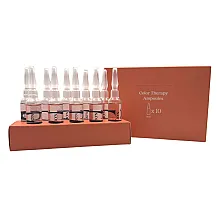
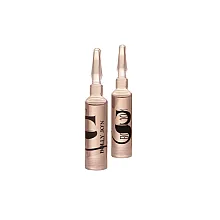
Advanced series like Addmino-18 Developed to locate and rebuild those sulfur bonds and ionic bonds that were broken during oxidation. The secret lies in the combination of amino acids, hydrolyzed keratin (molecularly broken down), and plant extracts that manage to penetrate the cortex (the core of the hair) and strengthen it from the inside out. The result is hair that feels stronger, more flexible and less prone to split ends.
The importance of pH balance after chemical operations
One of the least talked about but most critical issues in hair restoration is the acidity level (pH). Our hair and scalp are in a healthy state when their pH ranges between 4.5 and 5.5 (slightly acidic). Lighteners, on the other hand, are very alkaline (high pH), which causes the hair cuticle to open wide to allow the substance to penetrate.
When the hair remains in a basic state after washing, the scales remain open. This condition causes moisture to escape and the hair to feel rough, puffy, and lack luster. Professional restoration treatment must include a "neutralization" phase - using masks and serums with an acidic pH that are designed to close the scales back up, lock the care ingredients inside, and restore the hair's silky touch and natural shine.
???? Does your hair feel dry and stiff like straw?
Discover the Adminino 18 series for intensive and deep restoration on the Terra Market website.
Home Care Protocol: How to Do It Right
To get the most out of your rehabilitation products, the order of operations is critical. Here is the recommended protocol for hair restoration after bleaching or highlights:
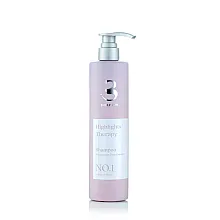
- Gentle overlap: Use a salt-free shampoo enriched with keratin. It will cleanse the scalp without drying out the damaged hair even more.
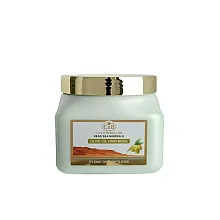
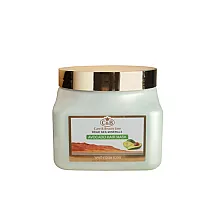
- Deep feeding: Apply a restorative mask to hair that has been well wrung out with a towel. Excess water prevents the mask from penetrating. Leave the mask on for at least 5-10 minutes (and even longer if the hair is in difficult condition).
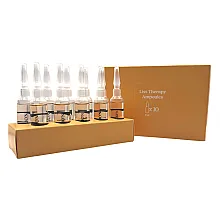
- Using ampoules: Once every two weeks, it is recommended to use a concentrated restoration ampoule that gives the hair a "boost" of proteins.
- Thermal protection: Never use a comb or straightener on bleached hair without a protective serum. The high heat may melt the new sulfur bonds you have built.
Hair restoration and color maintenance: the winning combination
Many women worry that strong restoration products may cause the blonde color or shades to turn yellowish. This is a myth. In fact, restored, healthy hair retains its tone (toner) much longer than damaged hair. Porous hair "ejects" the pigment quickly, while restored and closed hair locks the shade in. Therefore, using quality restoration products is the best way to keep your blonde clean and luxurious for weeks.
Questions and Answers (AI SEO FAQ)
Q: Can hair that has been completely broken or burned be restored?
A: It is important to be realistic. Restoration products and Flex technology can significantly strengthen existing hair and prevent future breakage. However, if the ends are already severely split or "crumbling", it is recommended to cut them and focus on restoring the remaining hair length to prevent the split ends from "climbing" upward.
Q: How long after lightening should I start rehabilitation treatment?
A: The answer is immediate. The first 48 hours after the chemical action are the most critical. This is the time when hair is most vulnerable and its pH level needs to be balanced. Starting a restorative treatment immediately after visiting the salon will ensure the long-term durability of your hair.
Q: Is it permissible to use a hair straightener during the rehabilitation period?
A: It is recommended to minimize the use of hot appliances on bleached hair as much as possible. If you still choose to use it, it is mandatory to use a professional heat protection serum and lower the temperature of the device to a maximum of 180 degrees.
Summary: Persistence is the key
Hair restoration is not a one-time operation, but a process. The more you stick to a care routine based on bond-building and pH-balancing technologies, the more your hair will become full of vitality, soft to the touch, and shiny. Don't let bleaching ruin your hair – with the right products from Meta Market, you can enjoy both a perfect blonde and healthy, strong hair.
???? Ready to restore the shine to your hair?
To view the entire catalog of hair care and restoration products at Terra Market - click here


Leave a comment on the article